

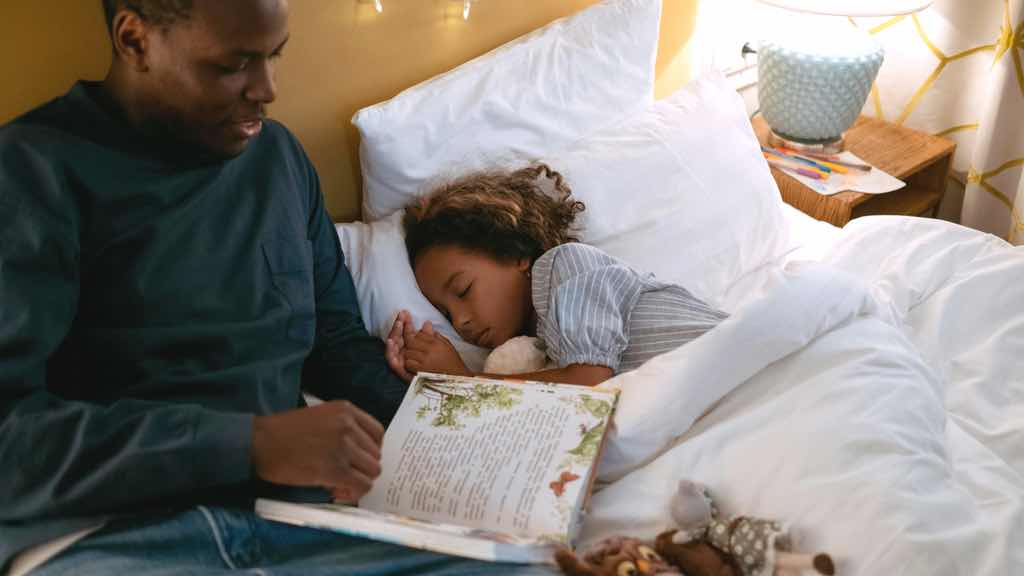
 Image: cottonbro studio
How Parents Can Help Their Children Cultivate Curiosity and Self-Motivated Learning
Parents shape how children learn long before homework shows up—through the questions you welcome, the mistakes you tolerate, and the time you make for exploration. Curiosity is already there in most kids: the challenge is keeping it alive when life gets busy, school gets stressful, or screens offer easier dopamine. The aim isn’t to turn your home into a classroom, it’s to create an environment where learning feels safe, interesting, and worth the effort—so your child starts pulling themselves forward.
A quick orienting note you can use today
Curiosity thrives when kids feel they’re allowed to wonder out loud without being judged. Motivation grows when they have autonomy, can see progress, and feel connected to an adult who cares about their ideas. Engagement lasts longer when learning is tied to real life—things they can touch, test, build, or explain.
A guide of “support moves” that actually work
| Moment at home | What your child might be learning | What do do instead of shutting it down |
|---|---|---|
| “Why?” loop (again and again) | Persistence, cause-and-effect | Say: “Let’s make a guess first, then we’ll check.” |
| “I’m bored.” | Need for agency | Offer a menu: “Build, read, draw, experiment, help me cook—pick one.” |
| Frustration mid-task | Tolerance for difficulty | Name it: “That’s the hard part. Want a hint or a break?” |
| Hyperfocus on a niche topic | Deep learning | Feed it with a library trip, documentary, or small project. |
| Avoiding schoolwork | Fear, overwhelm, low control | Break into 10-minute chunks and let them choose the order. |
Making time when life is packed
Most parents aren’t short on love—they’re short on hours. The trick is to stop waiting for a “perfect” block of time and instead choose repeatable, predictable moments that don’t require a full energy overhaul. A simple plan of attack reduces the stress of improvising, and it helps your child trust that learning time will happen even during busy seasons. If you want a practical way to make time to help your kids learn, consider anchoring it to routines you already do—meals, car rides, or cleanup. And if your evenings are the only quiet stretch, bedtime can become a gentle gateway to books: a chapter, a poem, a shared picture book, or even taking turns reading a page.
Building self-motivated learners (without bribery)
- Start with their question, not your agenda. If they ask about sharks, you don’t need to pivot to something on the homework agenda. Begin with sharks. Discuss them and explore ways that can connect to school work or skills being currently addressed.
- Offer choice inside structure. “Do you want to read first or do math first?” beats “Do your homework now.”
- Make effort visible. Use language that tracks processes: strategies, time spent, revisions, and persistence.
- Normalize not knowing. Say “I’m not sure—let’s look it up” and mean it. Kids learn that confusion isn’t failure; it’s a starting line.
- Close loops with reflection. After a project or study session: “What part was easiest? What part was hardest? What would you do differently next time?”
FAQ
- How do I encourage curiosity if my child doesn’t seem curious?
- Start with observation. Notice what they already engage with (games, animals, sports, drawing, building). Curiosity often hides inside preferences—your job is to connect learning opportunities to what already pulls them in.
- What if my child only wants to learn about one thing?
- That’s not a problem; it’s a doorway. Deep interests build stamina and confidence. You can gently expand outward: reading (articles), writing (a short report), math (measuring, budgeting), science (experiments), and communication (presenting).
- Should I reward learning with prizes?
- Occasional rewards can work, but try not to make them the main fuel. Aim to build intrinsic motivation by emphasizing progress, autonomy, and meaning: “You did that because you wanted to understand it.”
- How do I help without taking over?
- Ask before assisting: “Do you want a hint, an example, or for me to just sit with you?” This keeps your child in the driver’s seat.
Conclusion
Curiosity is fragile when it’s rushed, judged, or constantly corrected—but it’s sturdy when it’s welcomed and practiced. Small habits—asking good questions, offering choice, and making space for reading and exploration—create kids who learn because they want to. You don’t need grand projects; you need consistency. Over time, your child begins to see themselves as the kind of person who can figure things out.