
Book Review: Becoming the Parent You Like by Tierney Boggs
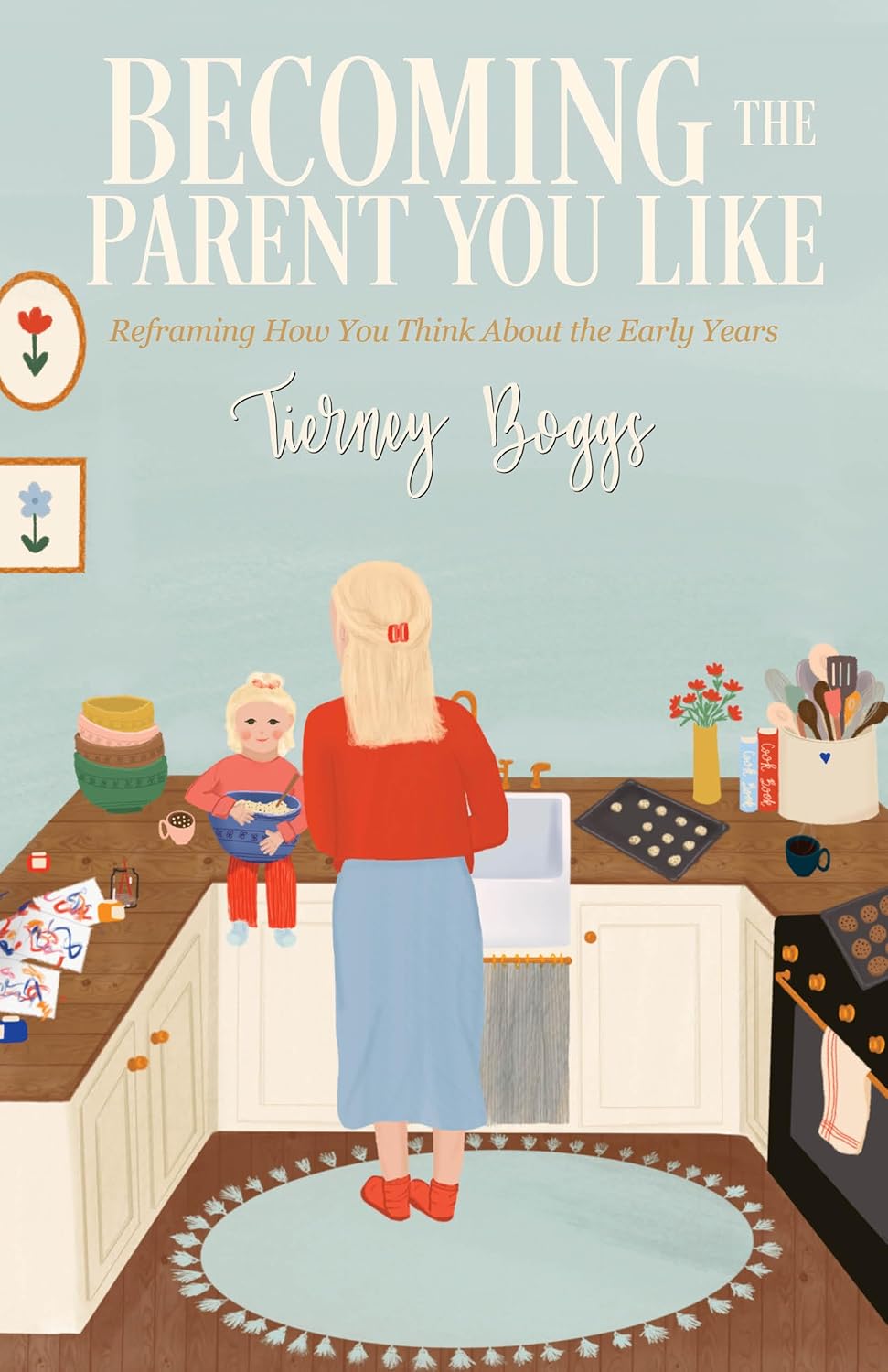
There are countless parenting books focused on techniques and behavior strategies. Becoming the Parent You Like offers something more foundational: an invitation to examine who we are becoming in the parenting process. I often found myself wishing I had read something like this when I was raising my own children.
At its core, the book centers on grace over perfection. Learning, the author reminds us, is not a sign of failure—it is evidence of engagement. Rather than measuring ourselves by flawless execution, Tierney Boggs reframes growth as an essential and ongoing part of parenting. She encourages a “both–and” mindset instead of an “either–or” approach. Can we allow ourselves to have good days without demanding perfect ones?
That question speaks to every season of parenting, even with adult children. It prompted me to pause and consider where I am right now. Am I extending myself enough grace that it overflows naturally into my relationships?
One of the most compelling themes in the book is what might be called “The Right Way Trap”—the belief that there is a singular correct method for responding, disciplining, or guiding. When performance becomes our measuring stick, parenting quietly turns into pressure. Our children feel it, and over time, it can erode their confidence.
One quote in her book that stayed with me comes from Erwin McManus: “Being right is all about you. Doing good is about others. When the right is at war with the good, always choose the good.”
The “right way” often centers on perception—on how we appear and what others might think. The “good,” however, calls us to something deeper. It invites us to notice how constricting our internal “shoulds” can become and to silence those voices of performance. Choosing the good means grounding ourselves in our values and living them openly in front of our children.
As I reflected on my own parenting years, I recognized how often my perfectionist tendencies drove my days. I took pride in multitasking, hurried to check off my to-do list, and attempted to connect with my children in the margins. Looking back, I see that much of that energy was centered on managing life efficiently rather than nurturing it relationally.
What struck me about this book is that the author recognized similar tendencies in herself while her children were still young—and she sought help. She hired a parent coach and demonstrated humility by acknowledging she needed support beyond herself. That decision is now shaping her family in meaningful ways.
She chose every day to maximize family relationships over efficiency.
In a culture that rewards productivity, it is easy to prioritize smooth routines over meaningful connection. Yet connection is what brings aliveness to a home. It may slow us down, but it deepens what lasts and strengthens our children’s confidence over time. The book concludes with a refreshing invitation to parents of young children: Normalize being happy. In a culture that often portrays early parenting as relentless and exhausting, the author challenges that narrative. She encourages parents to reject the expectation of “miserable parenting” and instead choose intentionality. When we clarify our vision, we parent with greater steadiness and confidence.
As we embrace ourselves as imperfect, learning, and growing, joy becomes accessible in the present moment—and gratitude begins to shape the tone of our homes.
I recommend this jewel of a book to parents in any season. It invites honest reflection and encourages growth rooted in relationship rather than performance. It is the kind of book you return to—not because you missed something, but because it meets you differently each time.